Why Grow Native?
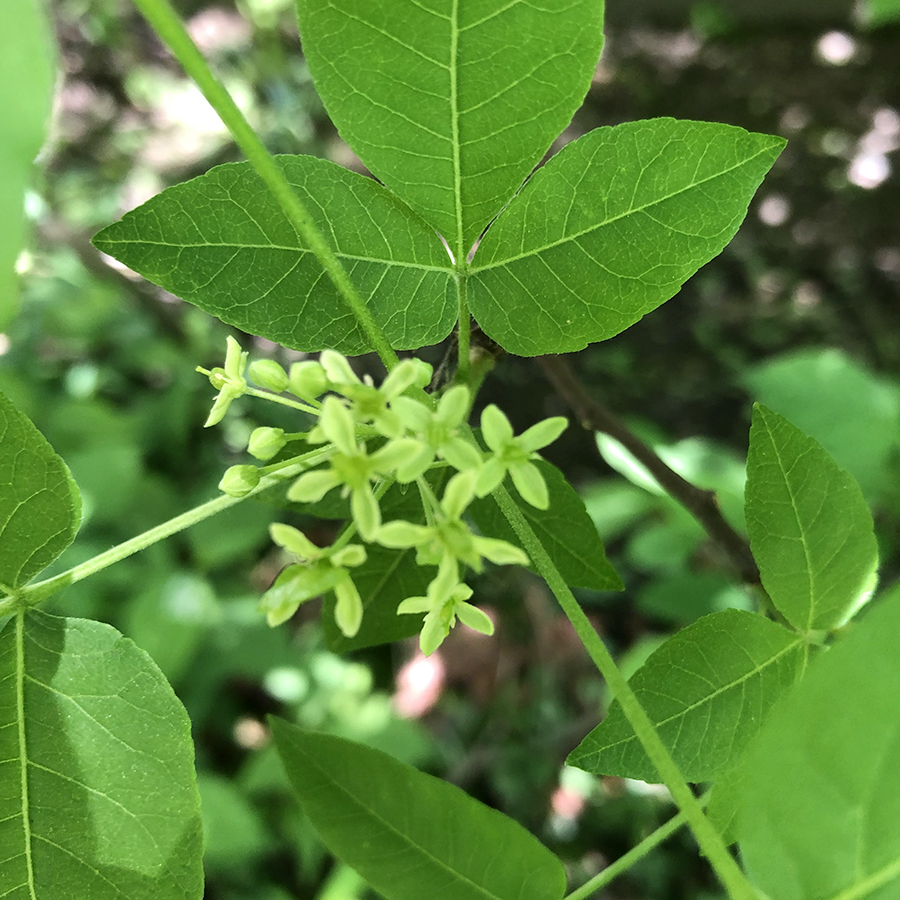
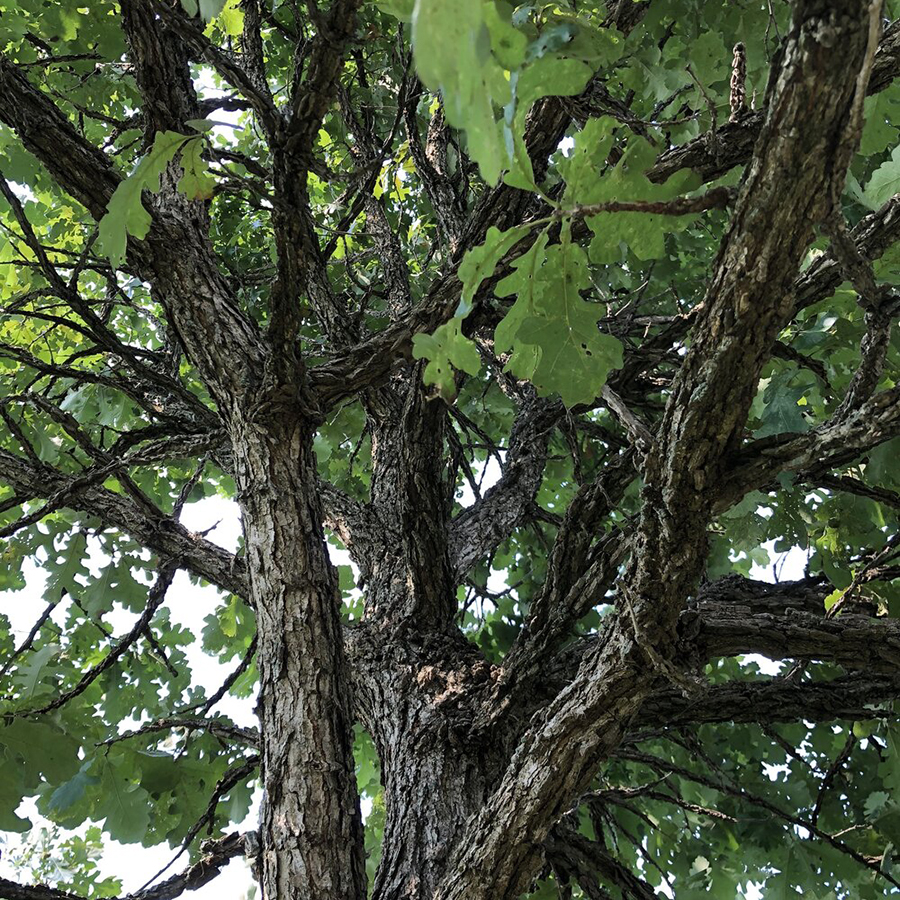
(Quercus macrocarpa)
Why are Native Plants so Important?
“The good to exceptional water quality within Conneaut Creek, Ashtabula River, Pymatuning Creek, Grand River, Chagrin River, upper Rocky River, and Vermilion River is a direct result of the high percentage of native forest cover within their watersheds — plant communities that stabilize streambanks, filter runoff, and protect these rivers from pollution.”
— James K. Bissell
Emeritus Curator of Botany
Cleveland Museum of Natural History
“To save our planet we must protect the health of our air, water, and soil. To save wildlife we need to provide them with ample food and healthy habitats. Native bees, butterflies, caterpillars, birds, and other wildlife, depend on native plants for their food since they usually cannot eat the strange, exotic, non-native plants we often plant in our yards. Please plant more native plants to help feed wildlife.”
— Nancy Linz
Native Plant Conservationist
Co-founder, Ohio Native Plant Month
“Native plants grow insects, and insects are the base layer of the animal food chain. Without native flora, the vast majority of our indigenous animals would likely disappear.”
— Jim McCormac
Field Biologist
“Native plants are an important resource for our native wildlife, and that’s what makes them so important. Without native plants, most of our native wildlife doesn’t have food to eat or a place to live and raise their young. I like to imagine a world where everyone has native plants or a wildflower patch in their yard, patches that act like little wildlife refuges connecting our fragmented world. Every bit matters and I believe that everyone can make a difference, big or small. “
— Mia Yeager
Mentor Marsh Habitat Restoration Manager
Cleveland Museum of Natural History
“Native plants are engineered to survive here. I’ve been continually amazed at the Ohio native prairie plants I’ve sown on my 80-acre sanctuary near Marietta. Despite a capricious weather pattern that involves rain much of the winter and searing drought from May-October, their seeds have germinated and the plants have grown, largely dominating invasive Asian grasses that would otherwise carpet bare ground. One meadow is going into its seventh year, getting thicker and more beautiful as the years roll by. When you can count 70 swallowtails and hear the buzzing of innumerable native bees; when you get a twittering cloud of American goldfinches lifting off from their seed-eating in late summer; when you find some new insect or plant nearly each time you visit, you wonder why so many choose to live on chemical-drenched outdoor turf in the thin shade of Callery pears. The monarch resurgence of 2025 gives me hope that if enough of us choose native diversity, we can reclaim some of our crashing insect populations before it’s too late.”
— Julie Zickefoose
Naturalist, Wildlife Artist, and Author