Plant a Pollinator Garden
Replace an area of lawn with a garden full of colorful native plants for pollinators!
Turfgrass lawns require constant upkeep — mowing, fertilizing, treating for insects, fungi, and weeds, watering during droughts, aerating, over-seeding and more. Turfgrass provides no nectar or pollen for bees, no food for butterflies, very little food for native birds or insects and virtually no shelter for wildlife.
By contrast, a garden filled with colorful native plants offers an abundance of resources. If every homeowner, organization and business replaced a small sunny patch of lawn with a garden to support pollinators and wildlife, the combined impact across Ohio would be transformative.
Install a small pocket garden
Seeds or Plants?
You may choose to create your pollinator garden using native plants grown in containers, or you may want to start from seed. If using container-grown plants, visit our Native Plant Sources page to find a nursery near you. If you would like to use seed, please read below.
Plant Seed Mix for a Pocket Pollinator Garden
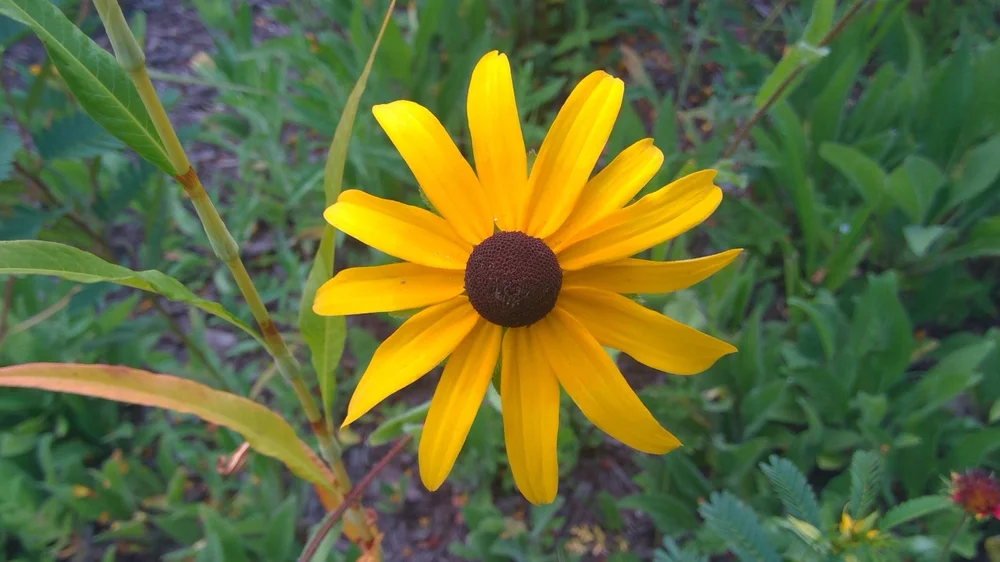
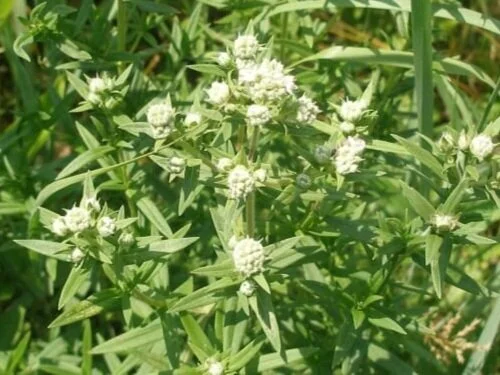
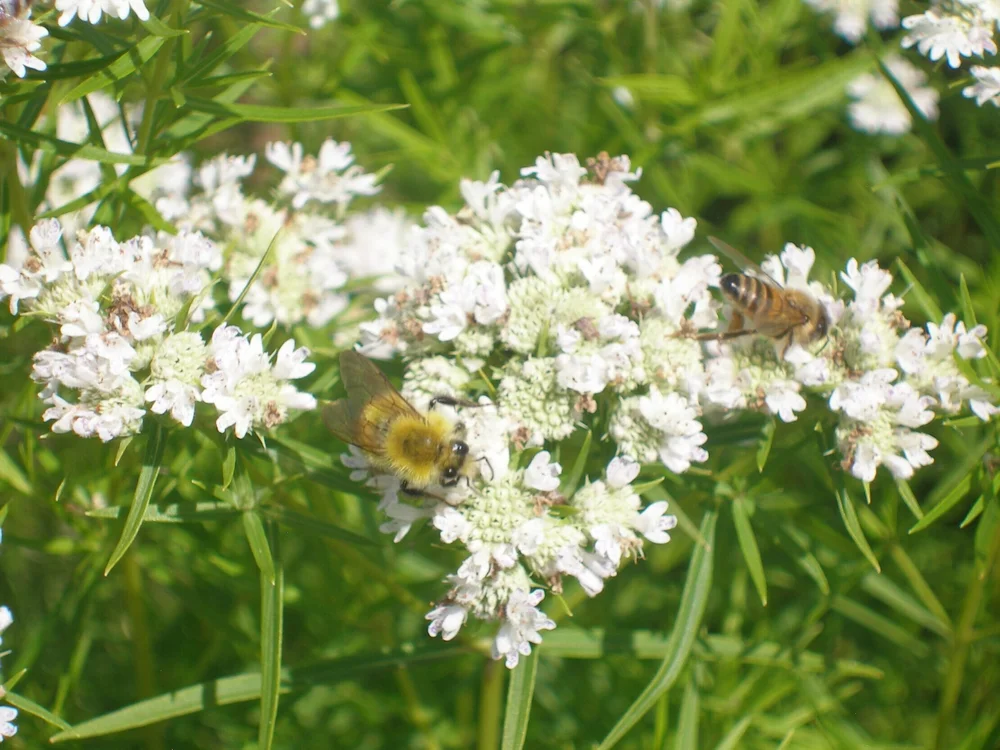
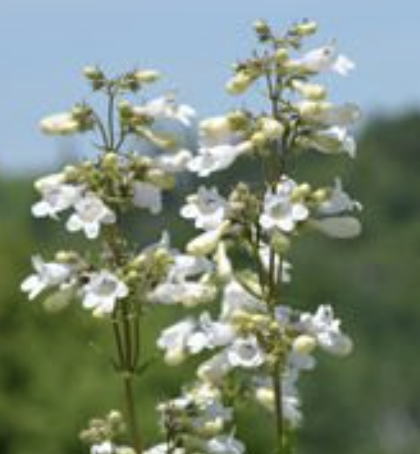
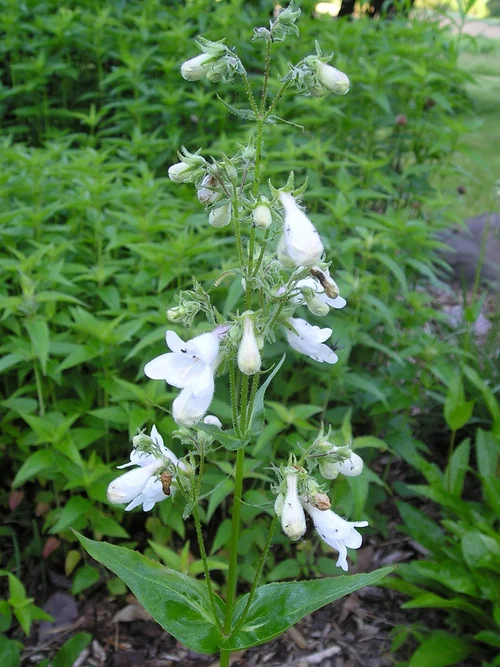
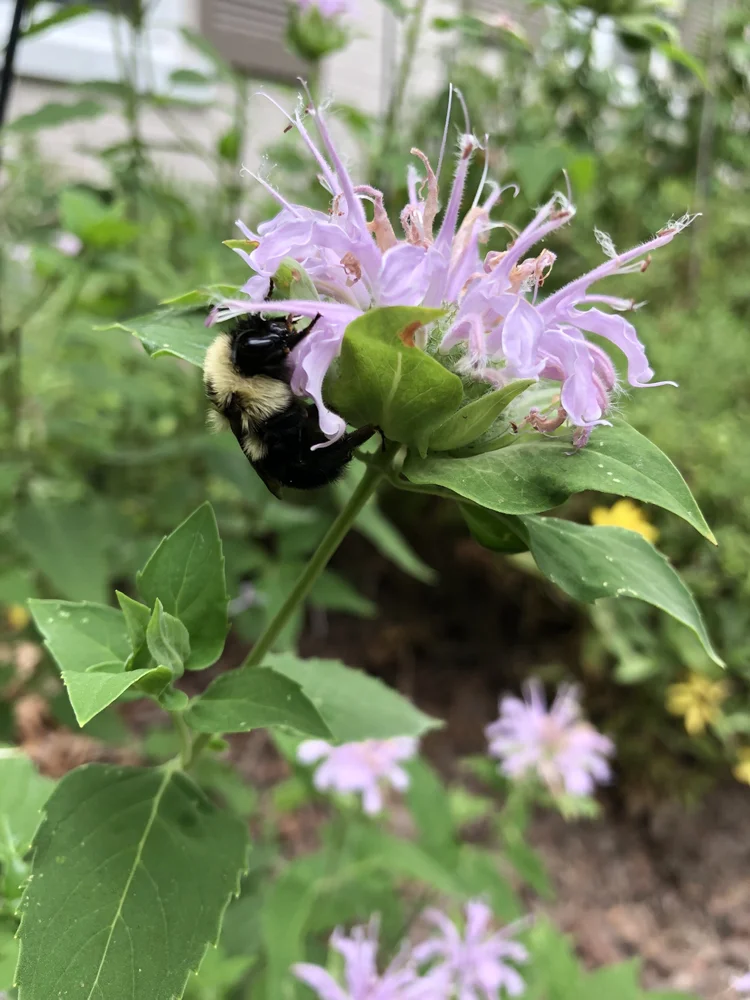
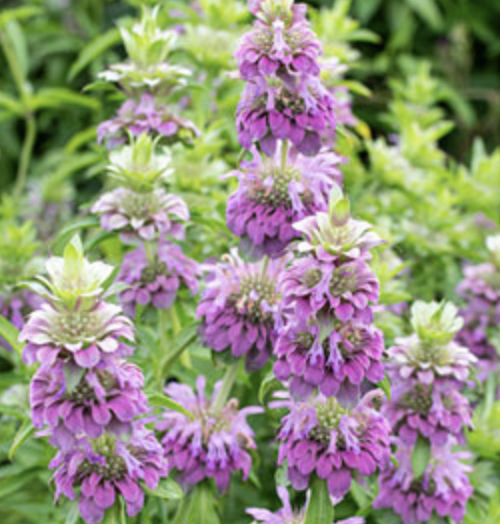
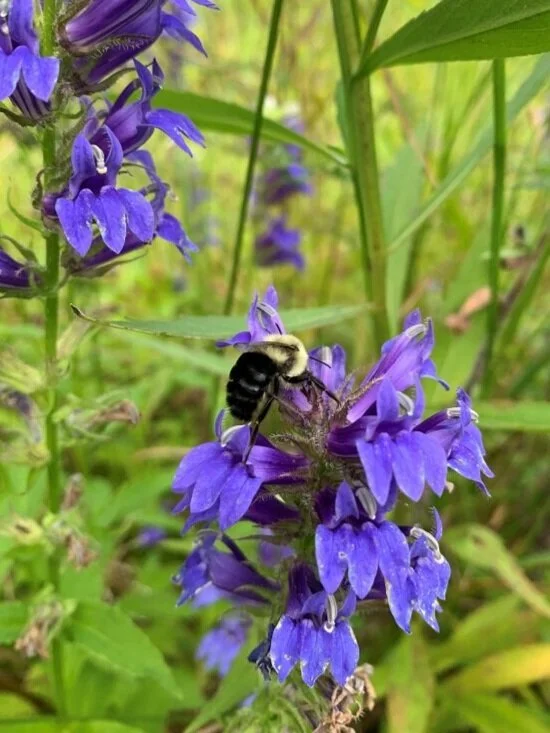
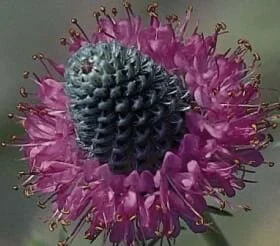
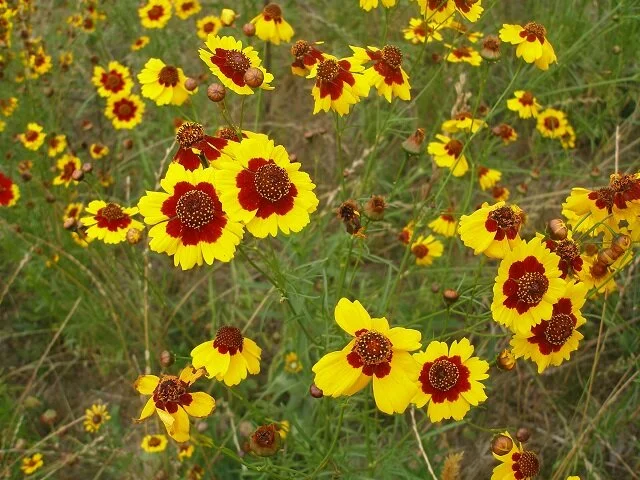
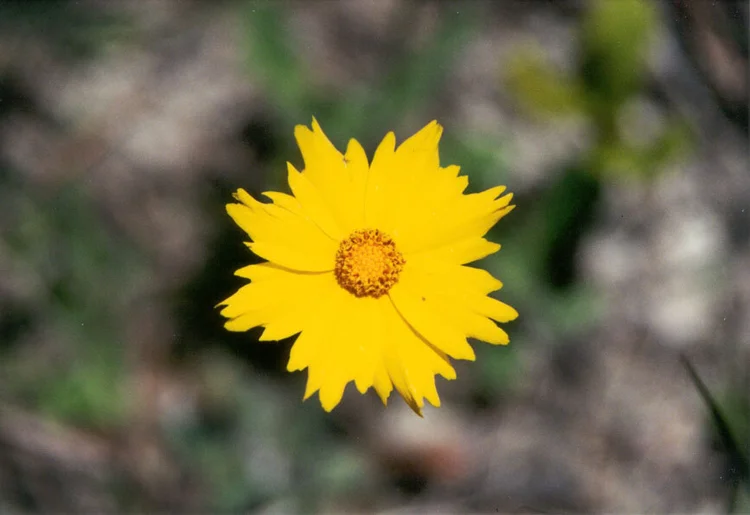
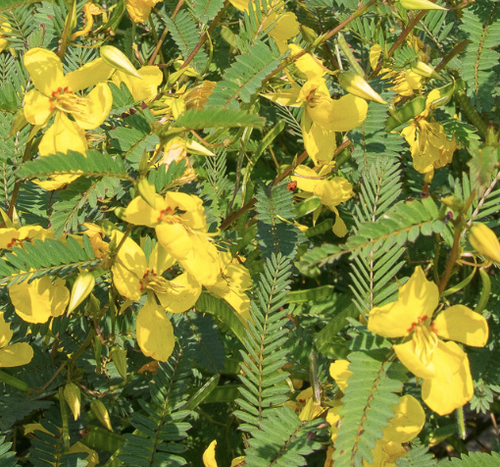
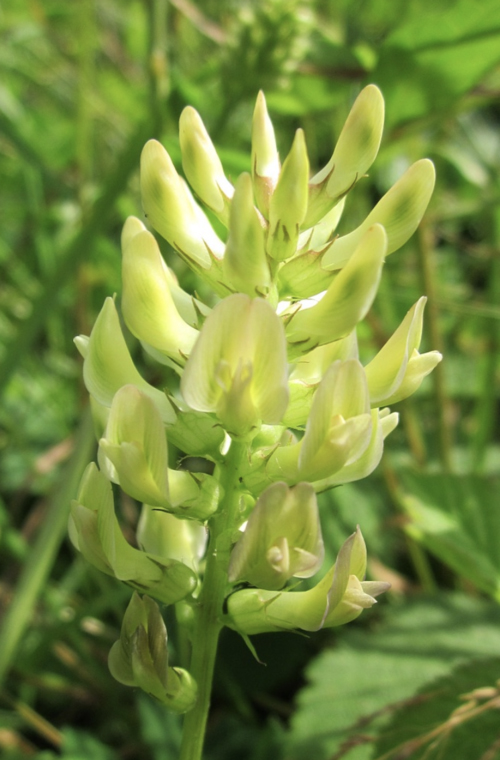
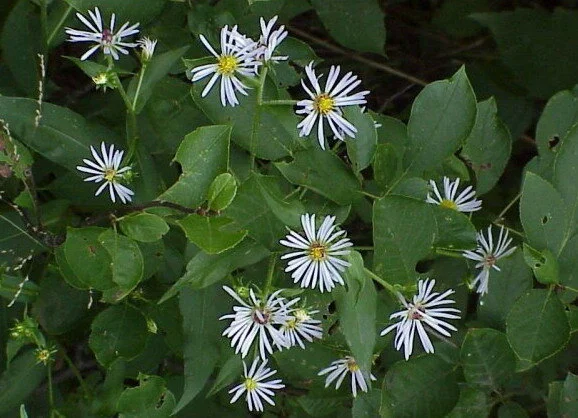
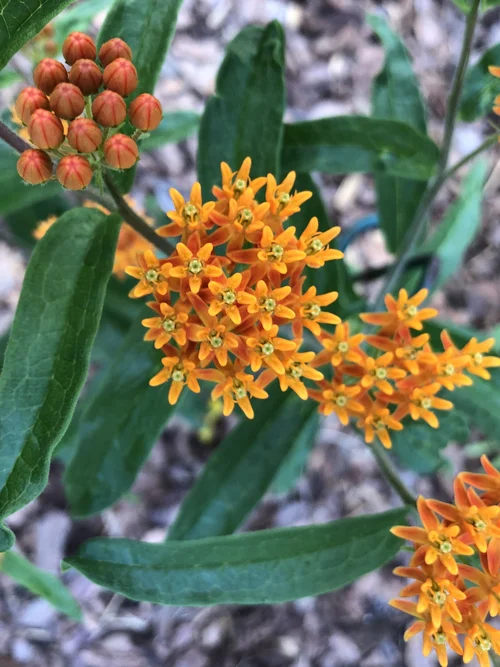
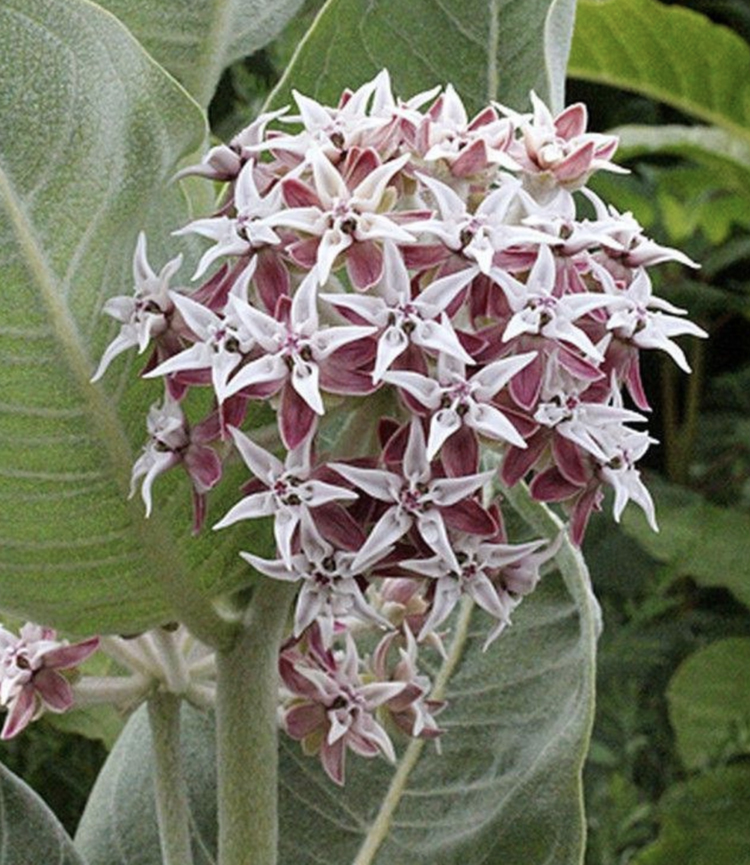
Ohio Prairie Nursery (OPN, an Ohio-based seed company) has partnered with us to create a special blend of seed designed for a Pocket Pollinator Garden (PPG). This unique blend consists of seeds from 28 native plant species, all selected to grow in full sun. The garden will grow to about three feet in height (a short mix), and is packed with flowering plants that provide lots of color and nectar. It also includes a few native mint species to help discourage deer. Three species of milkweed (Asclepias) are in the mix to meet the requirements for a Monarch Watch Waystation.
For every Ohio Native Plant Month mix or packet sold, OPN Seed will donate a portion back to the ONPM initiative.
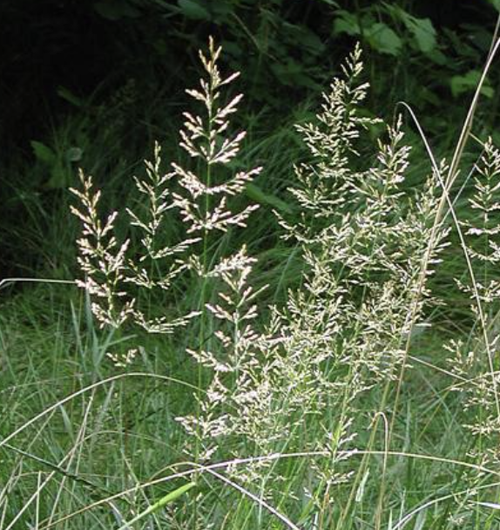
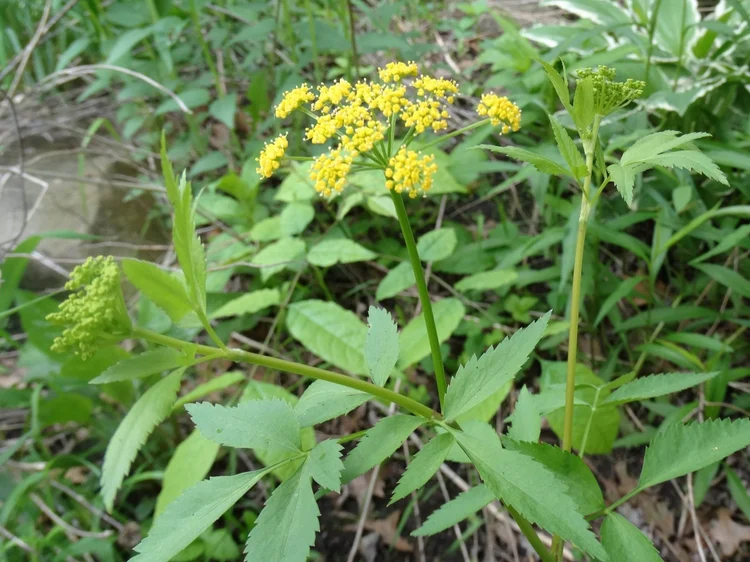
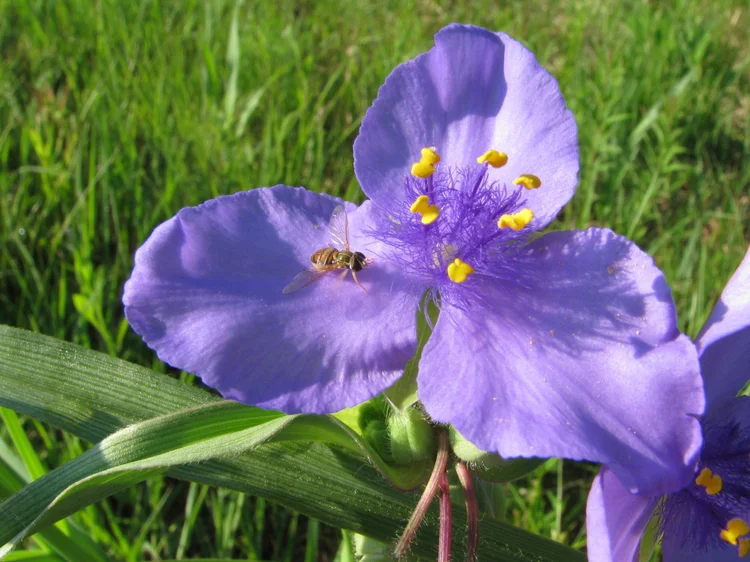
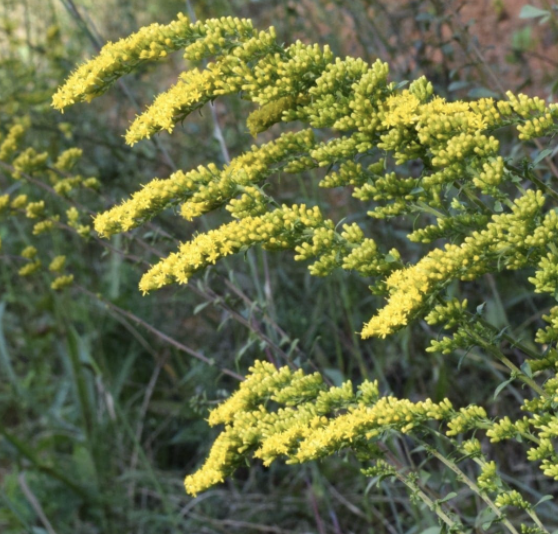
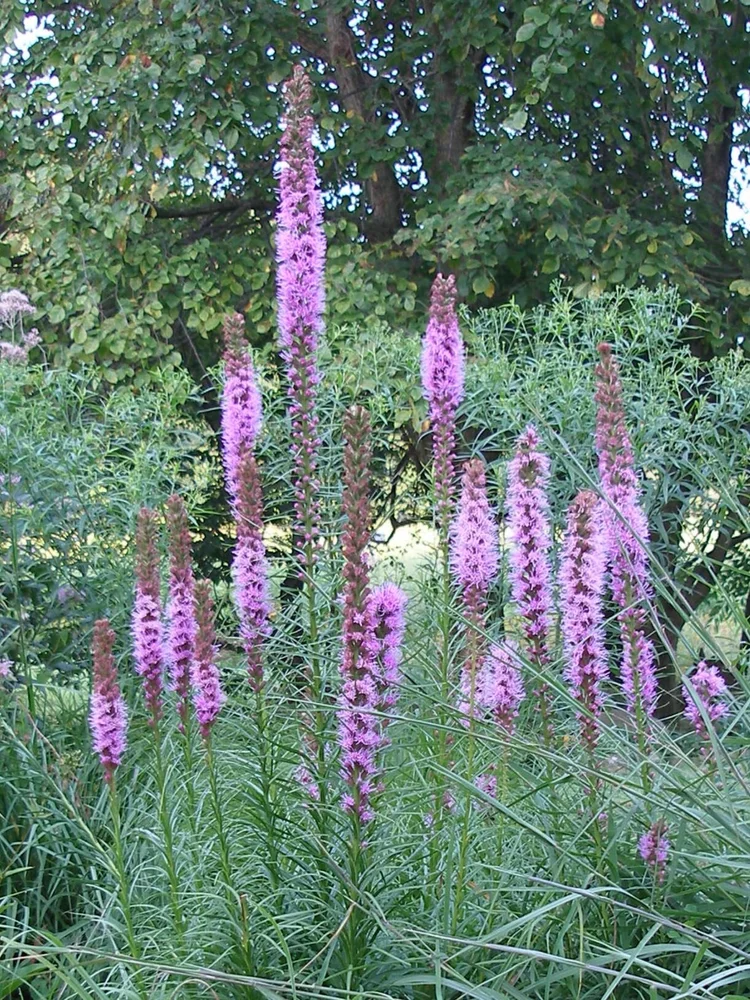
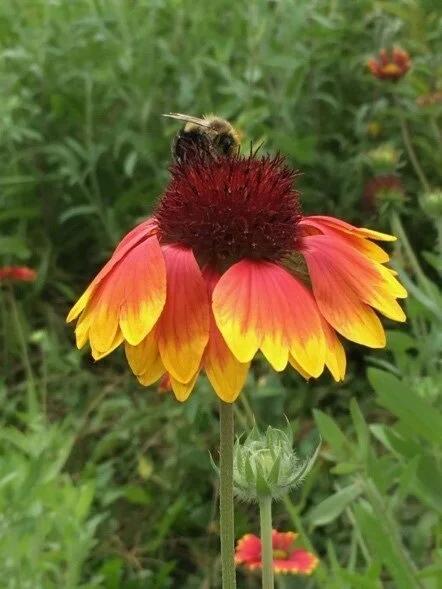
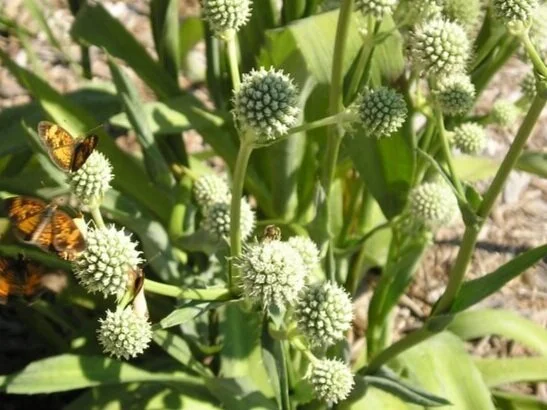
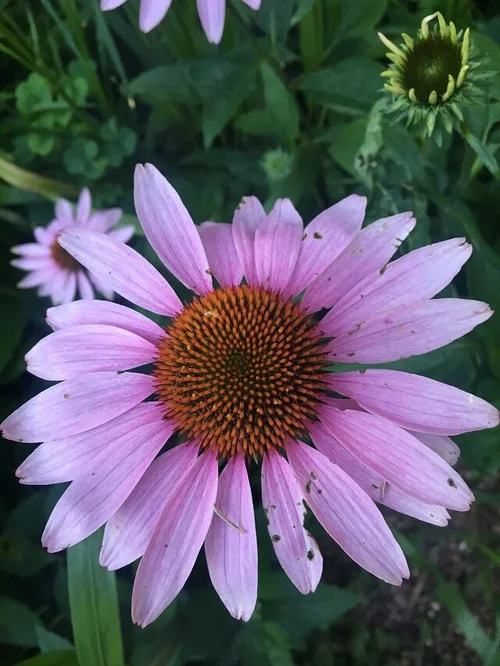
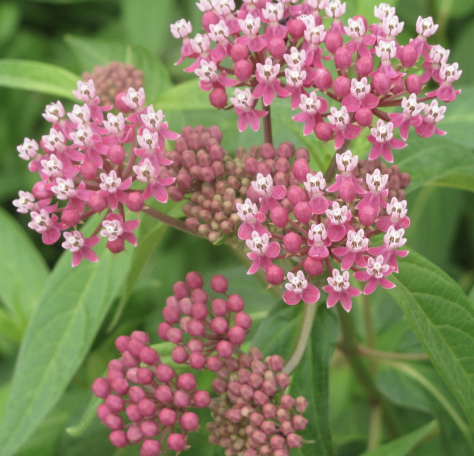
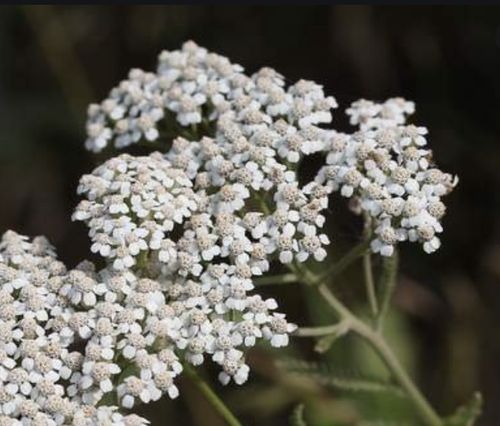
How To Sow a Pocket Pollinator Garden
- Select the site
Choose an area in the full sun where you would like your garden.
One packet of seed will cover 250 square feet (about 16’ x 16’), or bulk seed is available, so your garden could be small to very large. Select a dry, sunny, generally flat spot with reasonable soil. Lay out the shape of your bed using a hose, rope, or string. Mowing or trimming the area closely can make it easier to picture the finished outline. - When to Plant
Seed from this mix can be planted in the late fall, anytime during the winter, early spring, or as late as early June. Avoid planting during the hot dry months of the summer. - Preparing the Site
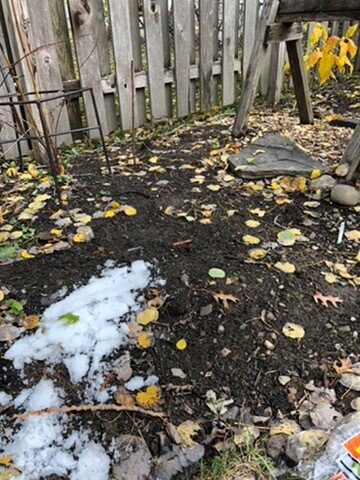
Remove any rocks or debris from the area. If lawn is present, either mow it as low as possible or use a string-trimmer to remove the lawn down to the soil. There is no need to till the soil, and if possible, please do not spray with chemicals to kill the plants in this area. - Laying the Garden Foundation
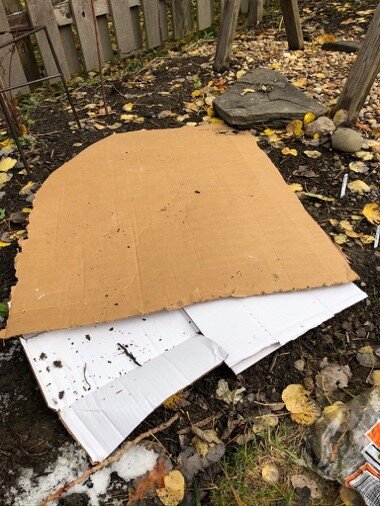
Cover the garden area with cardboard, or multiple layers of newspaper. If it’s windy, spray the newspaper with water to help keep it in place. Once down, wet the cardboard or newspaper so that it makes good contact with the soil. This paper layer forms a barrier that will help suppress weeds from growing up from underneath. - Mulch
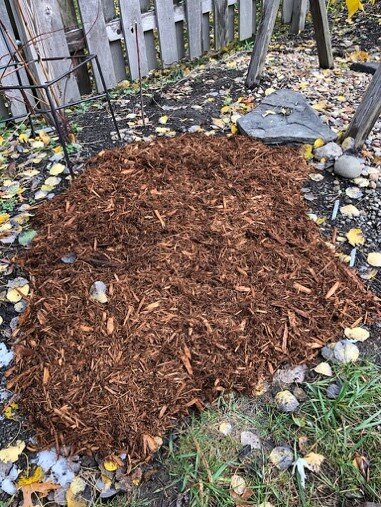
Cover the paper layer with 3-5 inches of aged, clean, pine fines, very small pine bark nuggets, or 50% shredded top soil mixed with 50% pine fines, leaf mold, and/or compost (do not use top soil). Make sure the mulch is CLEAN (no dyes or chemicals to control weeds, and no weed seeds). It’s best if the mulch has been sitting around for a few years and has decomposed a bit, but weed-free compost or triple-shredded hardwood mulch (without dye or chemicals) can be used. - Seeding the Garden
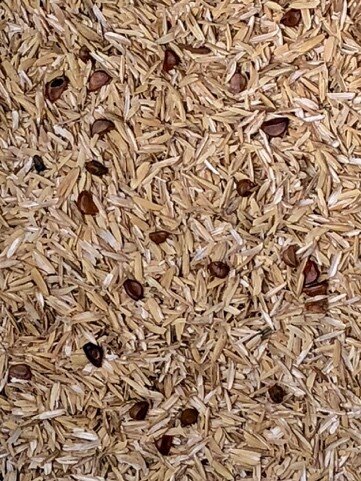
Now that the site has been prepared, it’s time to seed! Many of the seeds in our Pocket Pollinator Garden mix are extremely small, almost like dust. To help you spread your seeds more evenly across the garden, it helps to use a “carrier.” If you mix your seed in a bucket of rice hulls or clean playground sand, it will make it much easier to distribute the seed evenly over the area. Once mixed, take hand-fulls of seed/carrier mix and broadcast/throw them across your garden. The carrier will allow you to see where you have seeded, and where more seed is needed. - Raking
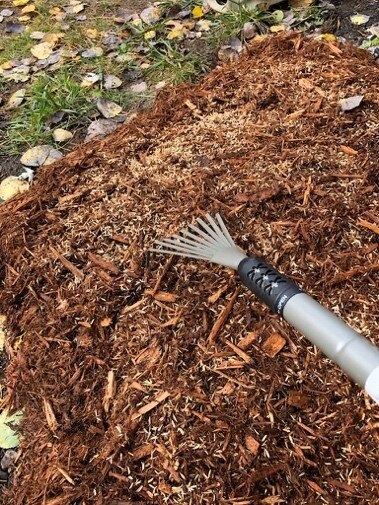
After the seed has been dispersed across the garden, take a garden rake and gently rake into the top 1/4 inch. Native seeds prefer to be near the surface of the soil, so the goal here is to help the seed make good soil contact with minimal disturbance. - What to Expect
The first growing season, you’ll see sprouts growing as the weather warms and by the end of the summer, you may have a few plants blooming. Don’t be discouraged! When planting a garden from seed, the first year is typically very sparse while the seedlings get established. The second year more plants germinate and grow, and it’s not until the third year that your garden is full of wonderful, flowering native plants.
During the first summer we have developed the ONPM Fast Flowering Cover Mix. This mix contains annual plants that will grow and flower all summer. After the first hard freeze in the fall, they die. The goal is to have a cover crop that will help to hold the mulch layer in place, add color to your garden and eventually yield to the native perennials to take over your garden by the second and third year. If you are installing a garden with children or in a very public place, adding the Fast Flowering Cover Mix to your perennial mix might be a good option for faster impact. Note: Please wait until the danger of a late freeze or frost has passed to add this seed to your pollinator garden. - Maintenance
Once seeded, you may need to water occasionally during the first summer if it is very hot or we have a drought for several weeks. But once the plants are established, no water should be needed. And once mature, mowing this area once a year in the late spring with your mower on its highest setting is all it will need. Please wait until late Spring so that many of our native bees living in hollow garden stems are not harmed. - A New Type of Garden — Building Acceptance
Since the mid 1850s there has been a steady increase in the number of exotic, non-native plants we have brought into the United States to fill our gardens. Having a well-manicured lawn and non-native plants has become the norm in many neighborhoods, and many organizations and homeowner associations expect this type of “look.” Now that we realize the importance of native plants for the survival of our fragile ecosystems and the health of the environment, acceptance of native plant gardens is growing.
Installing your garden as we have described in a bed of mulch will make your garden look more like a maintained, traditional garden. Edging the garden, adding stone or brick along the edge, or using a small fence will tell neighbors that this space is a planned garden space. Including a bird feeder or bird house in the middle of your garden will give it purpose. And including a sign indicating that your garden is a Monarch Waystation, or part of the HomeGrown National Park initiative, or an Ohio native plant certification program will all help your garden to gain acceptance.
Register your new Garden
Now that you have installed your Pocket Pollinator Garden, please register your garden with these organizations:
- Homegrown National Park® (HNP) raises awareness and urgently inspires everyone to address the biodiversity crisis by adding native plants and removing invasive ones where we live, work, learn, pray, and play.
- Monarch Watch: Since our seed mix contains at least three species of milkweed (Asclepias), register your garden with Monarch Watch as a Monarch Waystation.
- Plant for Pollinators: The Cincinnati Zoo & Botanical Garden is keeping track of the number of gardens that include plants for pollinators. Register your garden as a pollinator garden
- Nature in My Backyard: A certification program of the Audubon Society of Greater Cleveland and the Shaker Lakes Garden Club.